Why Players Sometimes Prefer Randomness Over Responsibility
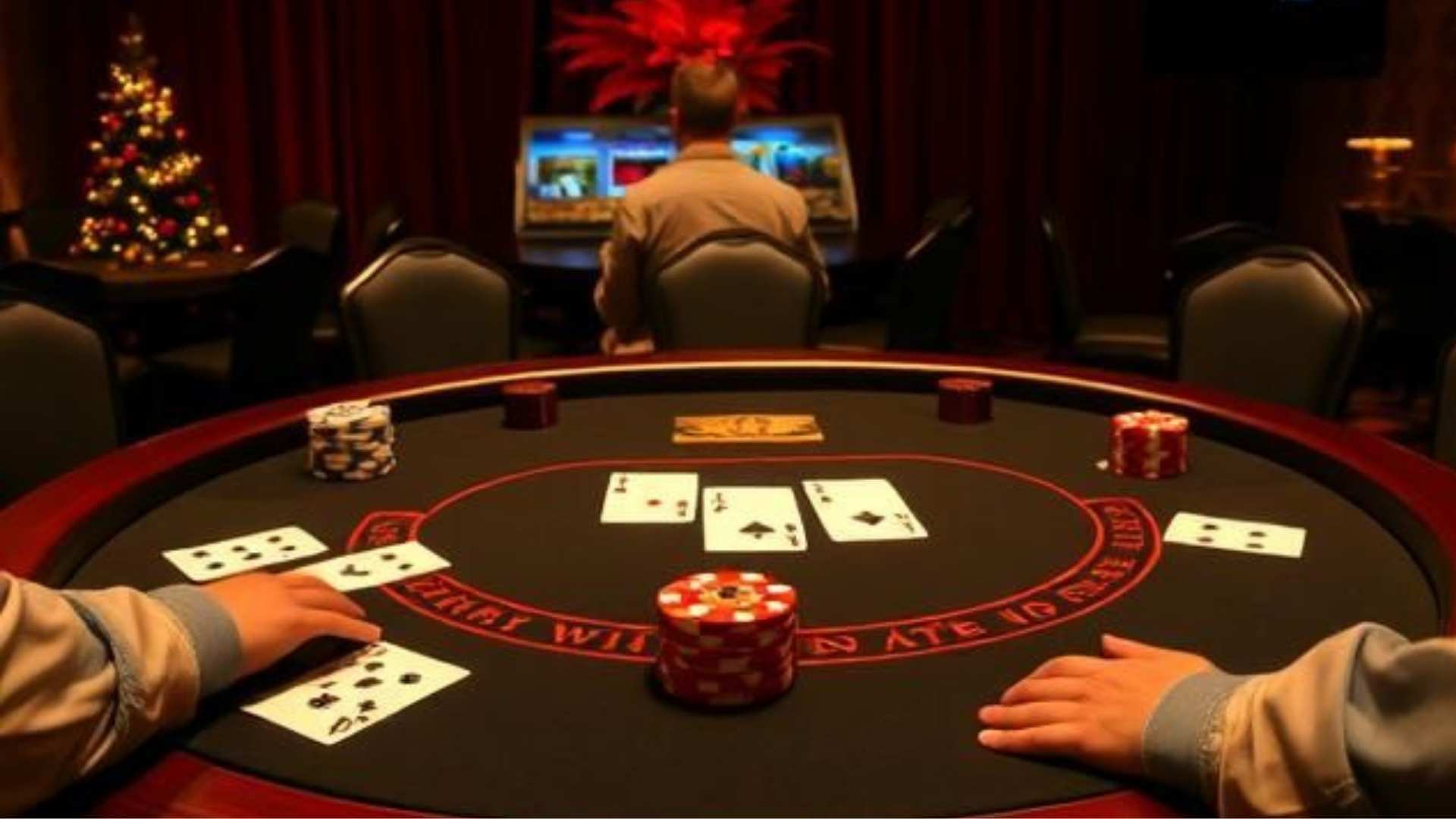
In strategic gaming and decision-making environments, players are often expected to rely on skill, calculated planning, and careful execution. However, many individuals frequently choose chance-based mechanics over pure strategic control when given the option. Understanding this behavioral pivot offers compelling insights into human psychology, stress management, and the emotional burden of accountability.
The Psychological Relief of Delegating Control
When an outcome depends entirely on personal skill, every failure rests directly on the player's shoulders. Shifting the decision to an external, unpredictable force removes the weight of personal blame during a loss. This mental shift provides an immediate sense of emotional relief, allowing participants to enjoy the process without internal friction.
In high-stakes competitive environments, constant decision-making can quickly lead to cognitive exhaustion. Allowing unpredictable elements to decide the flow of play creates a necessary mental pause for the user. Players can recharge their focus while still remaining fully engaged in the ongoing activity.
Reframing Failure and Preserving Ego
Losing a game due to a strategic blunder often hurts a player's confidence and self-perception. In contrast, losing to an unexpected roll or a random draw can easily be dismissed as bad luck. This protective mechanism allows individuals to preserve their self-esteem while continuing to participate in competitive spaces.
By attributing poor results to fortune rather than personal inability, players maintain a positive connection to the experience. Many dynamic gaming platforms, such as those featured on link boss domino, integrate balanced elements of chance to keep the atmosphere lighthearted and accessible. This approach ensures that newcomers and veterans alike can share the same space without feeling overwhelmed by pressure.
The Emotional High of Unpredictable Victory
Victories achieved purely through strategic dominance are satisfying, but they often lack the thrilling element of surprise. When chance delivers an unexpected win against long odds, the brain releases a powerful surge of dopamine. The sheer unpredictability transforms a standard outcome into an unforgettable, shareable event.
This emotional roller coaster keeps participants returning to chance-based scenarios even when they possess high strategic capability. The anticipation of what might happen next creates an immersive experience that strict rules cannot replicate. Consequently, randomness becomes a tool for heightened entertainment rather than a hindrance to competitive balance.
Finding the Right Balance in Game Design
While complete randomness offers emotional comfort, total lack of control can diminish long-term engagement. Successful interactive systems blend strategic choices with unpredictable events to maintain healthy interest levels. This balance ensures that players feel responsible for their decisions while still enjoying unpredictable moments.
Ultimately, preferring chance over heavy responsibility is a natural human response to pressure and routine. By accepting unpredictable mechanics, players embrace a casual form of entertainment that prioritizes fun over performance. Recognizing this dynamic helps creators design more inclusive and deeply engaging interactive experiences.