Probability Games That Strengthen Reasoning
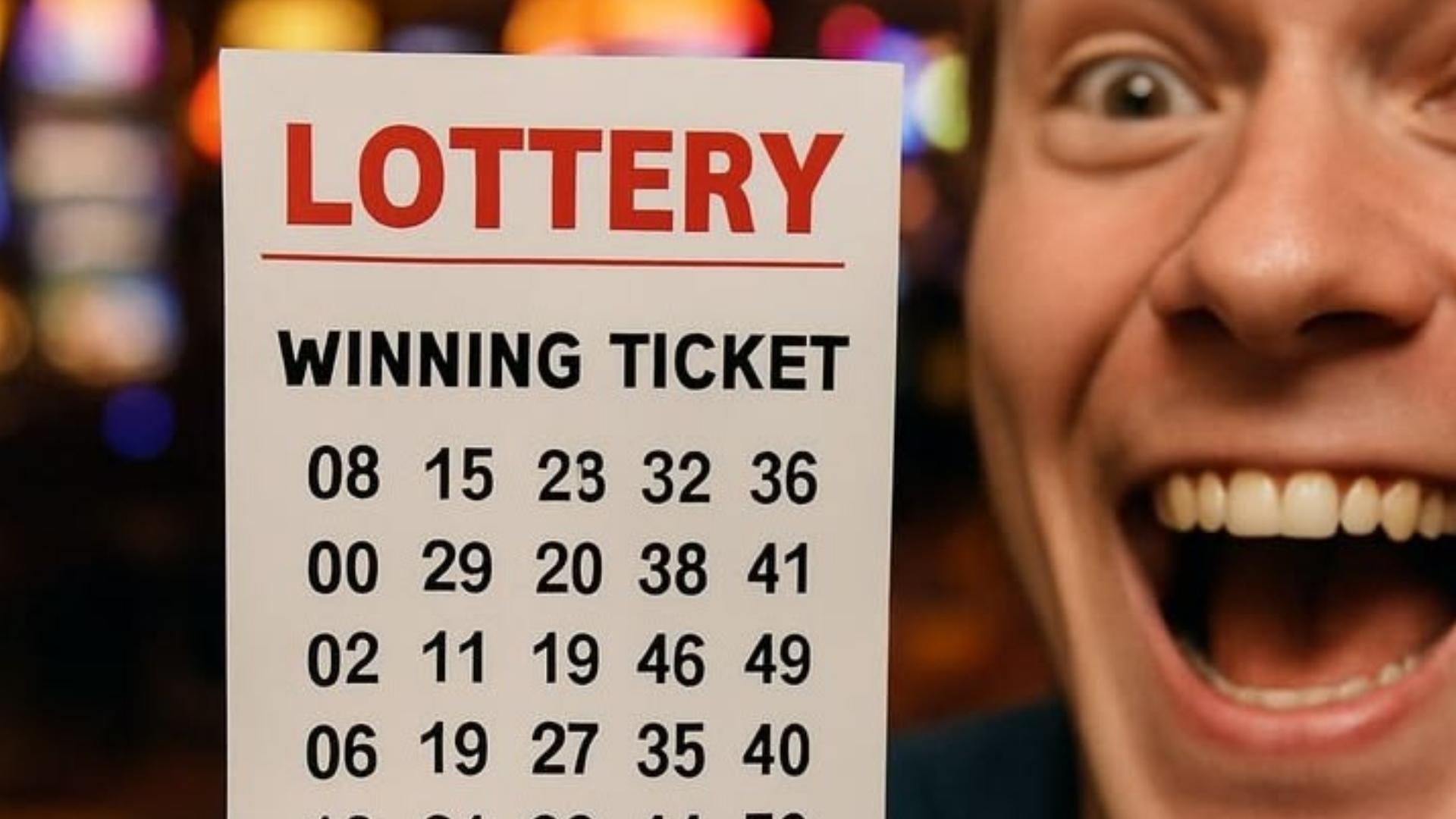
Engaging in strategic entertainment can significantly boost cognitive agility and decision-making skills over time. Probability games provide an excellent framework for individuals to analyze uncertain situations and weigh diverse options objectively. By participating in these structured challenges, players learn to look past immediate patterns and focus instead on long-term statistical trends.
The Dynamic Relationship Between Risk and Rationality
Every decision involving an uncertain outcome requires a delicate balance of analytical skills and statistical assessment. Players who navigate these challenges regularly tend to develop stronger mental frameworks for evaluating real-life risk factors. This habit of calculated thinking transforms simple pastimes into practical exercises for personal growth.
Understanding how independent events operate allows individuals to manage their cognitive biases more effectively. Rather than relying on emotional intuition, seasoned enthusiasts rely heavily on objective metrics to guide their next moves. This systematic evaluation prevents impulsive choices and nurtures a highly disciplined approach to problem-solving.
How Interactive Platforms Shape Analytical Abilities
Modern digital environments offer an accessible arena for testing various hypothetical strategies without real-world consequences. Engaging with virtual simulations helps enthusiasts observe how random number generators behave under different circumstances. Many digital portals, including options like M88 togel, allow users to interact with random distributions and test mathematical concepts dynamically. Regular exposure to these platforms assists in building strong data literacy and logical interpretation capabilities.
As individuals track historical data points across multiple rounds, they start identifying subtle structural differences in probability setups. This detailed process of record-keeping teaches the mind to isolate variables and draw accurate conclusions from complex datasets. Consequently, players become much more adept at identifying logical contradictions in everyday life scenarios.
Differentiating Pure Chance from Tactical Insight
A common misconception among beginners is that all outcome-based activities depend entirely on unpredictable luck. While the initial distribution of elements remains completely random, successful outcomes frequently rest on how well someone manages those variables. Recognizing this distinction is essential for developing a highly mature and realistic worldview.
Advanced participants know how to minimize losses by adjusting their strategies whenever the mathematical odds shift unfavorably. This fluid adaptability builds strong mental resilience, ensuring that unexpected outcomes do not disrupt long-term plans. Developing such flexibility is incredibly useful in fast-paced professional environments where parameters change constantly.
Practical Exercises for Developing Mental Agility
Enhancing your reasoning skills does not require jumping immediately into overly complex computational models. Aspiring thinkers can begin by analyzing simple dice distributions or tracking card combinations during family gatherings. The primary goal should always remain focused on identifying systematic outcomes rather than trying to guess short-term variables perfectly.
Consistent practice over extended periods helps individuals appreciate the foundational laws of large numbers. Over time, this disciplined mindset shifts an individual's worldview from short-sighted reactivity to comprehensive structural planning. Ultimately, the cognitive benefits gained from these entertaining activities extend far beyond the virtual screen.